Software · Web · Cloud
GESADS
LIMITED
We engineer dependable software — from first architecture sketch to production systems that keep running quietly. Custom applications, web platforms and cloud infrastructure, built to be understood and maintained.

02Introduction
An IT company that treats software as long-lived infrastructure, not a one-off deliverable.
GESADS LIMITED works with organizations that need software built properly: clear requirements, sensible architecture, tested code, and documentation that outlives the project. We take on new builds as well as existing systems that need care, and we stay close to the business problem throughout.
03Core areas of expertise
- 01Custom softwareBusiness logic, workflows, internal platforms
- 02Web applicationsCustomer portals, dashboards, SaaS products
- 03APIs & integrationsREST, GraphQL, webhooks, third-party systems
- 04Cloud infrastructureArchitecture, automation, observability
- 05Quality engineeringAutomated testing, reliability, reviews
- 06Technical consultingAudits, roadmaps, architecture decisions

04Custom software development
Software shaped around how your organization actually works.
Off-the-shelf tools rarely fit complex processes. We model your domain carefully, then build systems with clear boundaries between layers so that rules can change without the whole application becoming fragile.
- Domain modelling
- Workflow automation
- Role-based access
- Reporting & exports
- Data migration
- Admin tooling
05Web application engineering
Web applications people are comfortable using every day.
We build responsive, accessible interfaces backed by well-structured server code. Performance budgets, semantic markup and careful state management are part of the work from the start.
Typical work includes customer portals, booking and ordering systems, operational dashboards and multi-tenant SaaS products, deployed with repeatable pipelines.
06Cloud & infrastructure
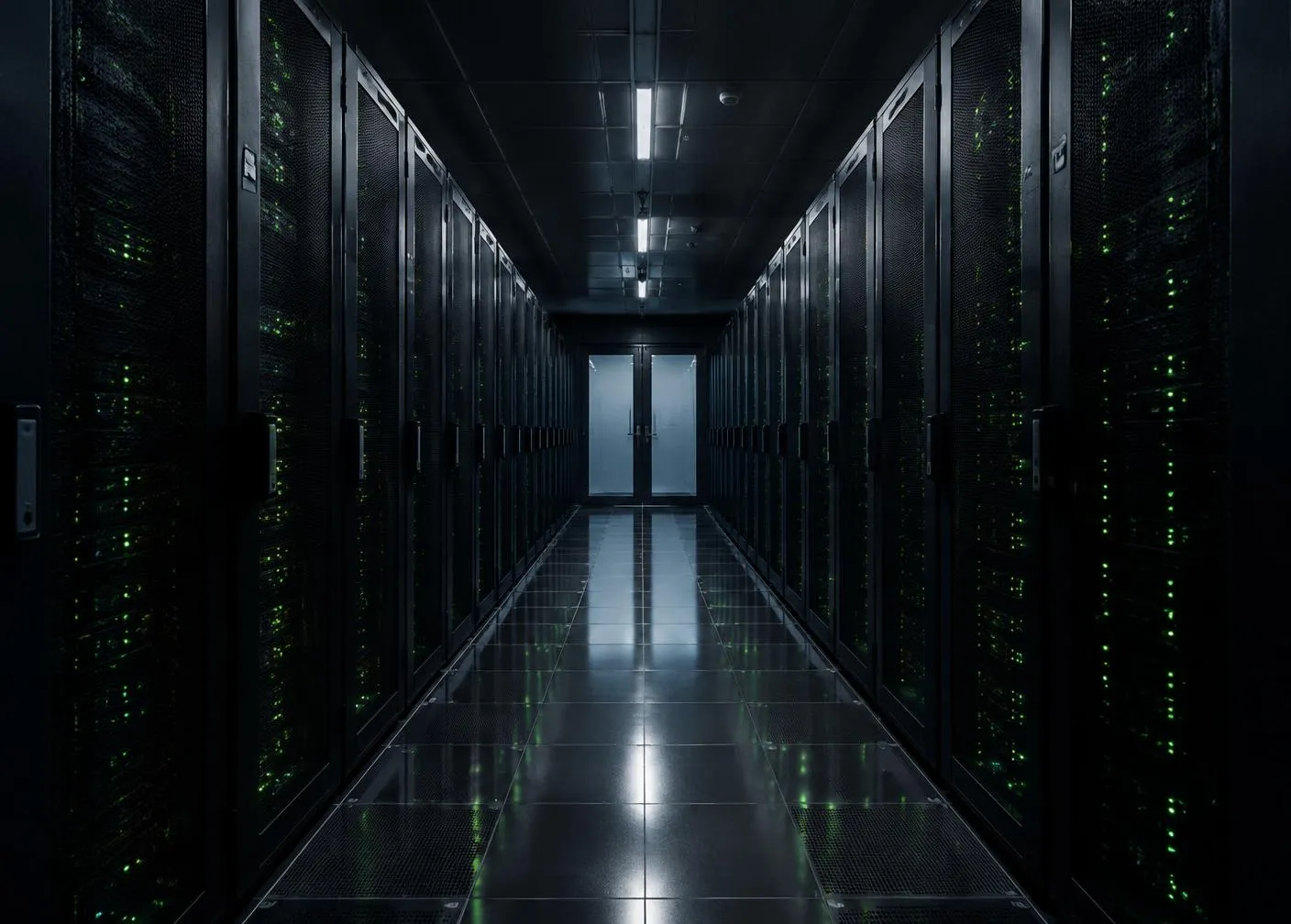
Infrastructure defined as code, observable by default.
We design cloud environments around your workload: containerized services, managed databases, network isolation, automated deployments, backups, monitoring and cost visibility.
07Quality & reliability
Quality is a habit built into every change.
Testing is planned with the feature, not added afterwards. Every change is reviewed, checked by automated pipelines and released in small, reversible steps.
- [1]
Unit & integration tests
Core logic and boundaries between services are covered by automated tests.
- [2]
End-to-end checks
Critical user journeys are exercised in a browser before release.
- [3]
Code review
Every change is read by another engineer before it is merged.
- [4]
Monitoring & alerting
Errors and performance regressions are surfaced quickly in production.
08Development process
A predictable path from idea to running software.
-
STEP 1
Discover
Goals, users, constraints and existing systems are mapped.
-
STEP 2
Design
Architecture, data model and interface flows are agreed.
-
STEP 3
Build
Work is delivered in short iterations with regular demos.
-
STEP 4
Verify
Automated and manual testing against agreed criteria.
-
STEP 5
Operate
Release, monitoring, maintenance and improvement.
09Collaboration
Transparent by default.
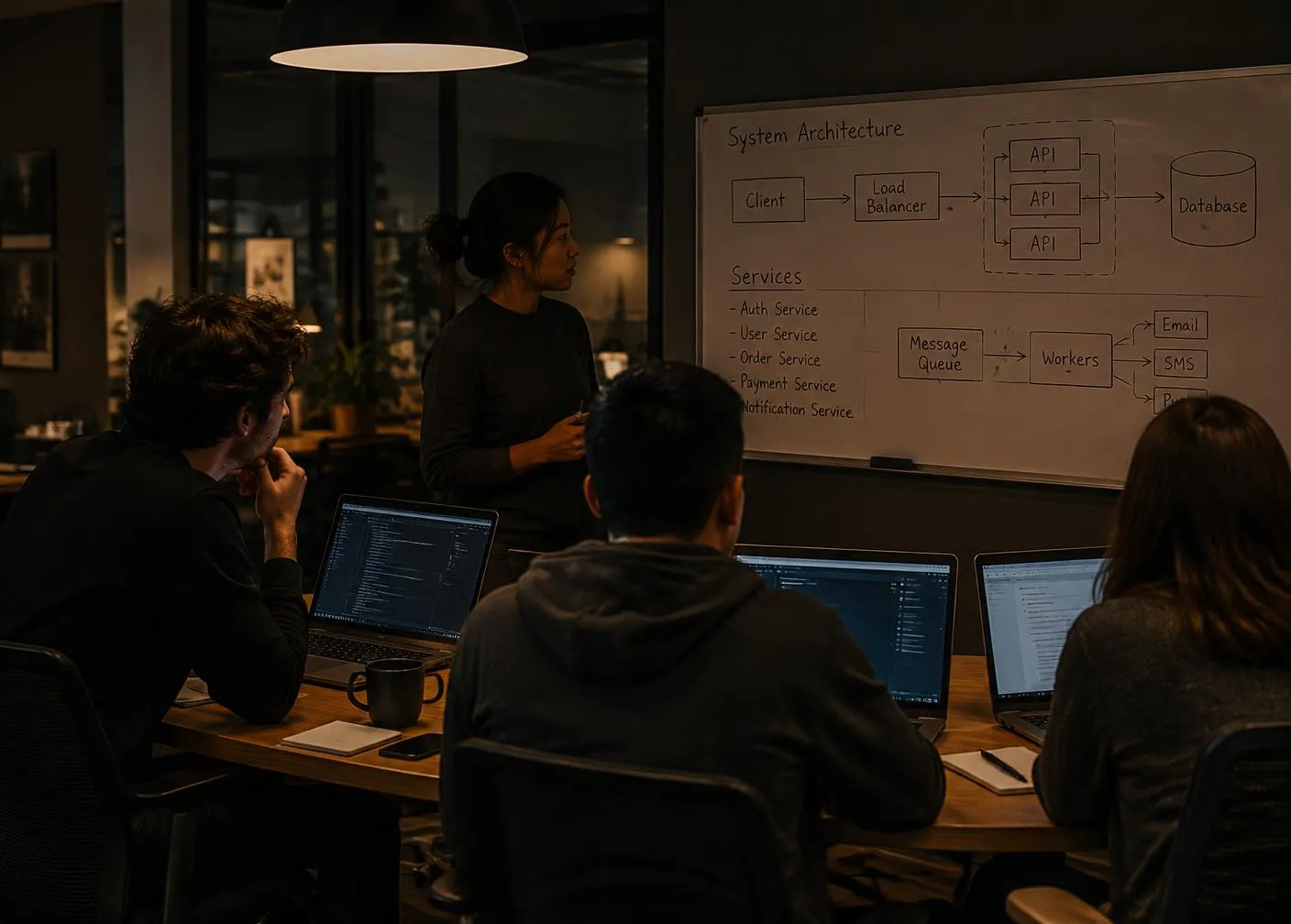
- Shared visibility
- A shared backlog and written progress notes so you always know what is in progress.
- Regular demos
- Working software is shown at the end of every iteration, not just at the end.
- Written decisions
- Architecture choices and trade-offs are documented and explained in plain language.
- Direct access
- You talk with the engineers doing the work.
10Security-conscious engineering
Security considered at every layer, not bolted on.
Least privilege
Access to systems, data and secrets is limited to what each component and person needs.
Secure defaults
Encrypted transport, parameterized queries, validated input and safe session handling.
Dependency hygiene
Libraries are kept current and scanned for known vulnerabilities.
Secrets management
Credentials live in dedicated stores, never in source code.
Auditability
Important actions are logged so incidents can be understood.
Privacy by design
Only necessary data is collected, and retention is planned.
11FAQ
Frequently asked questions
- What kinds of projects do you take on?
- Custom business software, customer-facing web applications, internal tools, API and integration work, cloud migrations, and the maintenance or modernization of existing systems.
- Can you work with an existing codebase?
- Yes. Many engagements begin with a technical review of what already exists, followed by a plan to stabilize, extend or gradually modernize it rather than rewrite it.
- How do you estimate work?
- After an initial conversation and, where useful, a short discovery phase, we describe scope, assumptions and risks in writing and propose a delivery plan in stages.
- Which technologies do you use?
- We choose tools that suit the problem and your team: typically modern TypeScript and web frameworks, well-established backend languages, relational databases and major cloud providers.
- Who owns the code?
- Ownership terms are agreed in writing before work starts. Our standard approach is that the source code we produce for you is delivered to you along with documentation.
- How do we start?
- Send an email to [email protected] with a short description of your goals, current systems and timeline.